The Guide.
Trained to see what others miss.
EDUCATION
Family Nurse Practitioner Program — University of Texas at Arlington
Master of Science in Nursing, Neonatal Nurse Practitioner — Rush University, Chicago
Bachelor of Science in Nursing — University of Minnesota, Twin Cities
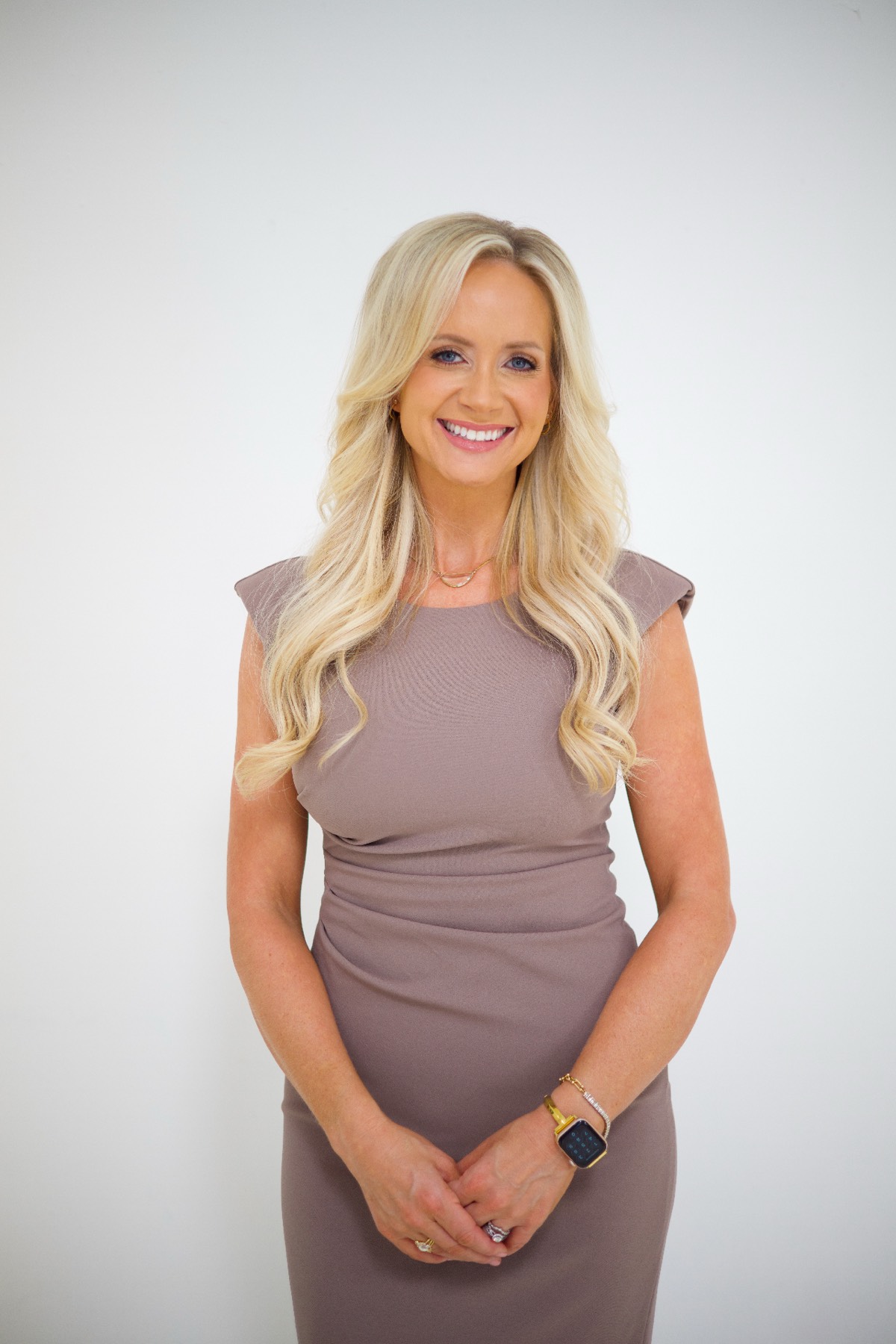
Brittany Stanley
Family Nurse Practitioner (FNP-C)
Neonatal Nurse Practitioner (NNP-BC)
Menopause Society Certified Practitioner (MSCP)
PROFESSIONAL MEMBERSHIPS
Menopause Society, Certified Practitioner (MSCP)
International Society for the Study of Women's Sexual Health (ISSWSH)
American Association of Nurse Practitioners (AANP)
Texas Nurse Practitioners (TNP)
National Association of Neonatal Nurse Practitioners (NANNP)
Brittany Stanley
Family Nurse Practitioner (FNP-C)
Neonatal Nurse Practitioner (NNP-BC)
Menopause Society Certified Practitioner (MSCP)
EDUCATION
Family Nurse Practitioner Program — University of Texas at Arlington
Master of Science in Nursing, Neonatal Nurse Practitioner — Rush University, Chicago
Bachelor of Science in Nursing — University of Minnesota, Twin Cities
PROFESSIONAL MEMBERSHIPS
Menopause Society, Certified Practitioner (MSCP)
International Society for the Study of Women's Sexual Health (ISSWSH)
American Association of Nurse Practitioners (AANP)
Texas Nurse Practitioners (TNP)
National Association of Neonatal Nurse Practitioners (NANNP)
The Foundation
Over fifteen years ago, I entered the Neonatal Intensive Care Unit for the first time and made a promise to every patient in my care: I would always see the whole child — not a respiratory system, not a cardiac system, not a set of labs, but a human being entirely dependent on the provider in front of them to see past the monitors and the numbers to the person underneath.
In that environment, imprecision is not an option. My patients could not tell me where they hurt. They could not describe their symptoms. I had to read every signal — the ones they gave me and the ones they didn't. I learned to configure the complete clinical picture even when pieces were missing. Especially when pieces were missing.
I made sure my smallest patients received the most current, evidence-based care available. And then I looked up — and realized that the mothers who had kept vigil at their baby's bedside would one day need care of their own — and receive something unrecognizable by comparison. Outdated protocols. Dismissed symptoms. Labs declared normal while they quietly fell apart.
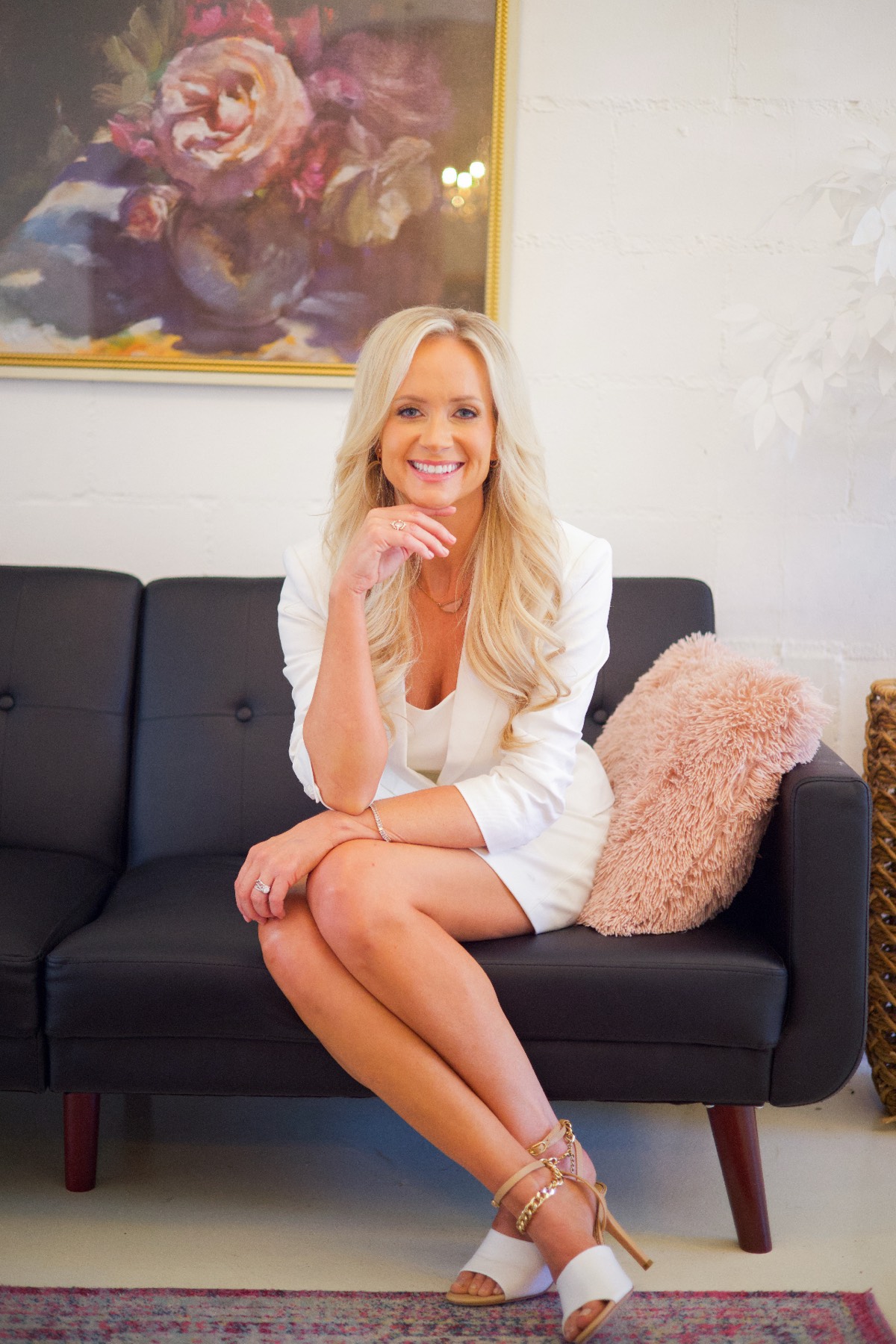
The Moment I Could Not Look Away
The turning point came when my husband Bo was admitted to the ICU with pneumonia. He was close to needing intubation. I was terrified — and I was a clinician who had only ever cared for newborns. I began researching adult medicine obsessively, wanting to serve as a second set of eyes for his care team. It was down that rabbit hole that I found the gap. The profound disparity between what medicine offers men — and what it offers women. What I discovered was women were being sent to sleep specialists, orthopedic surgeons, and psychiatrists for symptoms that had a single hormonal root cause. But why?
“The gap that I could not unsee.”
In 2002, a single flawed study sent shockwaves through medicine — and overnight, hormone therapy was abandoned. But the damage went deeper than the prescriptions that stopped. We lost twenty years of training. An entire generation of providers entered practice without ever learning how to manage perimenopause, how to interpret hormonal shifts, or how to offer women anything beyond reassurance and referrals. It became the standard of care. Vellvé exists to replace it.

The Commitment
I returned to graduate school for the second time — while working twenty-four hour shifts in the NICU and raising two boys. I quickly realized that even the most rigorous FNP program only grazes the surface of what it takes to truly care for the woman in midlife. I didn't wait to graduate. I pursued specialized certifications and advanced clinical training alongside my coursework, rebuilding my entire clinical foundation from the ground up. Because every detail matters, every signal counts, and every woman in my care deserves the full picture.
The Day That Said It All
On the day I walked across the stage to receive my Family Nurse Practitioner degree — the credential I earned specifically to open Vellvé — my father collapsed shortly after our celebration meal. There was not a moment of hesitation. I cared for him the way I care for every patient — completely. I assessed him before the paramedics arrived, rode with him in the ambulance, and communicated his full clinical picture to every provider who touched him. I stayed at his bedside until every question had an answer. A dual-licensed NP caring for her father on her own graduation day. That moment crystallized everything. This is not what I do. This is who I am.
My Promise to You
I am here — not to manage your health, but to honor it. To hear everything you bring me — and pursue everything you don't. To see you fully, treat you precisely, and walk alongside you through every chapter that follows. This is the standard of care I promise to every woman, without exception.
BrittanyBrittany
Founder, Vellvé
The meaning came before the name.
Velvære
Norwegian
The concept of holistic well-being. Body, mind, and spirit in harmony.
Élevé
French
Elevated. Raised to a higher standard.
Vellvé
(vel-vay)
Wellness, elevated.
Not as a tagline. As a promise.
Giving Back
A single practice is only the beginning. Vellvé is a movement toward the standard of care women have always deserved.
Vellvé proudly supports:
Society for Women's Health Research
For decades, women were excluded from clinical research because their hormones made the data too complicated to interpret. The result is a gap in medical knowledge that women have been paying for with their health ever since. SWHR exists to change that — and so does Vellvé.
Let's Talk Menopause
This level of care should not be a privilege. Every woman deserves access to accurate information, compassionate support, and providers who understand what her body is going through — regardless of her means. Let's Talk Menopause is working to make that possible. Vellvé believes in that mission completely.
The Next Chapter Is Yours.
Contact
Phone
(737) 353-1113
Email
hello@vellve.health